Electrical Panel Installation
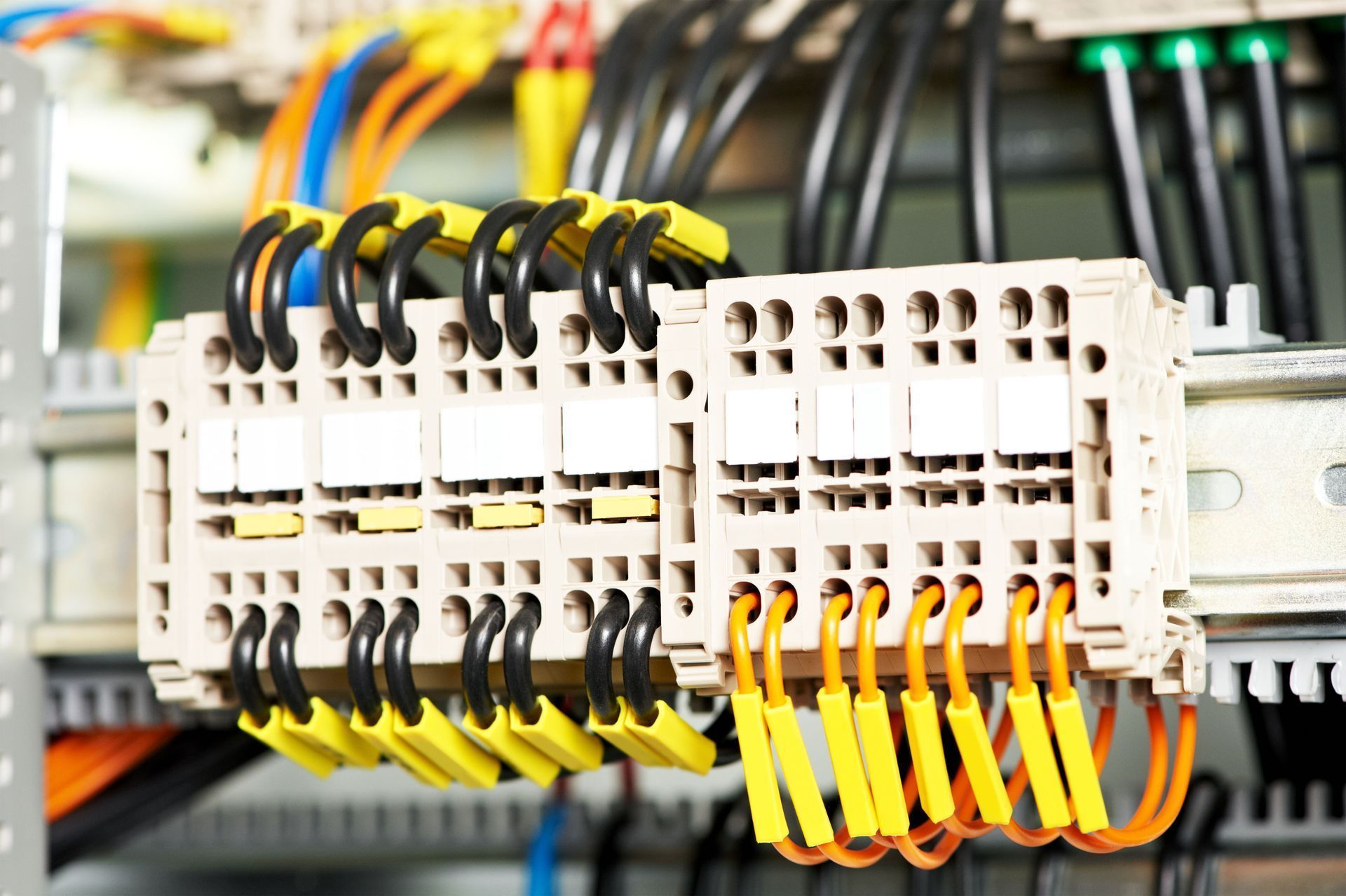
Electrical Panel Installation in Rochester, MN
Your panel sets the ceiling on everything else. It determines how much the house can draw at once, how many circuits you can add, and whether the protection between your wiring and a fault is doing its job. Most homeowners never think about it until something they want — a charger, a hot tub, a finished basement, a kitchen full of new appliances — runs into it.
There are really only two reasons to replace a panel: capacity and condition. Capacity is when the house has outgrown its service and there's nowhere left to add. Condition is when the equipment itself is aging, damaged, or of a type that no longer protects reliably. The first is a planning decision you make on your own schedule. The second isn't.
Signs Your Panel Needs Replacing
- Breakers that trip regularly across more than one circuit
- A panel with no open slots, or breakers doubled up to make room
- A fuse box still in service
- 60 or 100 amp service in a house running modern appliances
- Lights that dim or flicker when the AC, dryer, or a large appliance starts
- A panel or breaker that feels warm to the touch
- Buzzing, humming, or crackling from the panel
- Rust, corrosion, moisture, or scorch marks inside the enclosure
- A burning smell near the panel
- An inspection, insurer, or home sale that flagged the panel
- Plans for an EV charger, hot tub, addition, or finished basement
Heat, burning smells, or scorching inside the panel are urgent. Stop resetting breakers, keep the panel closed, and call.
Panel Work We Handle
Main Service Panel Upgrades
Replacing an undersized, full, or aging panel with one sized for what the house actually draws, including the service equipment that goes with it.
Fuse Box to Breaker Conversions
Fuse boxes still function, but they're long past current practice, awkward to live with, and frequently a problem at sale or during insurance underwriting. Converting to breakers modernizes the protection and the capacity together.
Sub-Panel Installations
Added capacity for a garage, shop, addition, or finished basement without rebuilding the main service, where the existing service can support it.
Load Calculations
The part that decides whether a plan is realistic. We calculate what your home actually draws and what it will draw with the additions you have in mind, rather than guessing at a number.
Code Compliance Updates
Grounding, bonding, breaker types, labeling, and clearances brought to current code — the items an inspector looks at and a previous owner's work often missed.
What You Get With Every Repair
- Same-day services & repairs available
- Estimates within 1–3 business days
- Class A Electrical Contractor, License EA 006322
- Certified, licensed & fully insured electricians
- Quality products on every repair
- Locally & family-owned in Rochester since 1998
- Satisfaction guaranteed
How to Decide Between 100 & 200 Amp Service
Not every home needs 200 amp service, and the upgrade isn't automatically the right answer. A modest house with gas heat, a gas range, and a gas water heater can live comfortably on 100 amps for a long time.
What pushes a home past it is electric load stacking up: central air, an electric range or dryer, a hot tub, a shop with real tools, a finished basement, and above all EV charging, which is a large continuous draw rather than an occasional one. Two or three of those together is usually where 100 amps stops being enough.
The honest way to answer it is a load calculation, not a rule of thumb. What's worth avoiding is upgrading twice — if a charger or an addition is on the horizon in the next few years, sizing for it now costs far less than revisiting the service later.
Frequently Asked Questions
How do I know whether I need a new panel or just a repair?
A worn breaker in a sound panel is a repair. A panel that's full, undersized, damaged, corroded, or of a type that no longer protects reliably is a replacement. Age alone isn't the deciding factor — condition and capacity are. We'll assess yours and tell you which category it falls into.
How long does a panel installation take, and will my power be off?
Most residential panel replacements are a day-scale job, and yes, power is off for a substantial part of it. Service changes also involve coordination with your utility and an inspection, so the schedule depends on more than our crew. You'll know the plan and the expected outage window before the day.
Can I just add circuits to a full panel instead?
Sometimes, with a sub-panel or by consolidating existing circuits, if the main service has the capacity to support it. If the service itself is the limit, adding circuits moves the problem rather than solving it. The load calculation tells you which situation you're in.
Is a panel upgrade worth it if I'm planning to sell?
Often. An old fuse box or a panel type flagged during inspection becomes a negotiating point or a condition of sale, and buyers' inspectors look at the panel early. Handling it beforehand is usually cheaper than handling it during a transaction.
Do panel installations require a permit and inspection?
Yes. Panel and service work is permitted and inspected work, and that's a good thing — it's third-party confirmation the job was done correctly. We handle the permitting rather than leaving it with you.
Request a Free Estimate
Tell us your panel's age, how much space is left in it, and what you're hoping to add, and we'll tell you where you stand. Call, text, or fill out the form to request a free estimate. We're open Monday through Friday, 7:30 a.m. to 5:00 p.m., with after-hours appointments available.