
Backup Generators
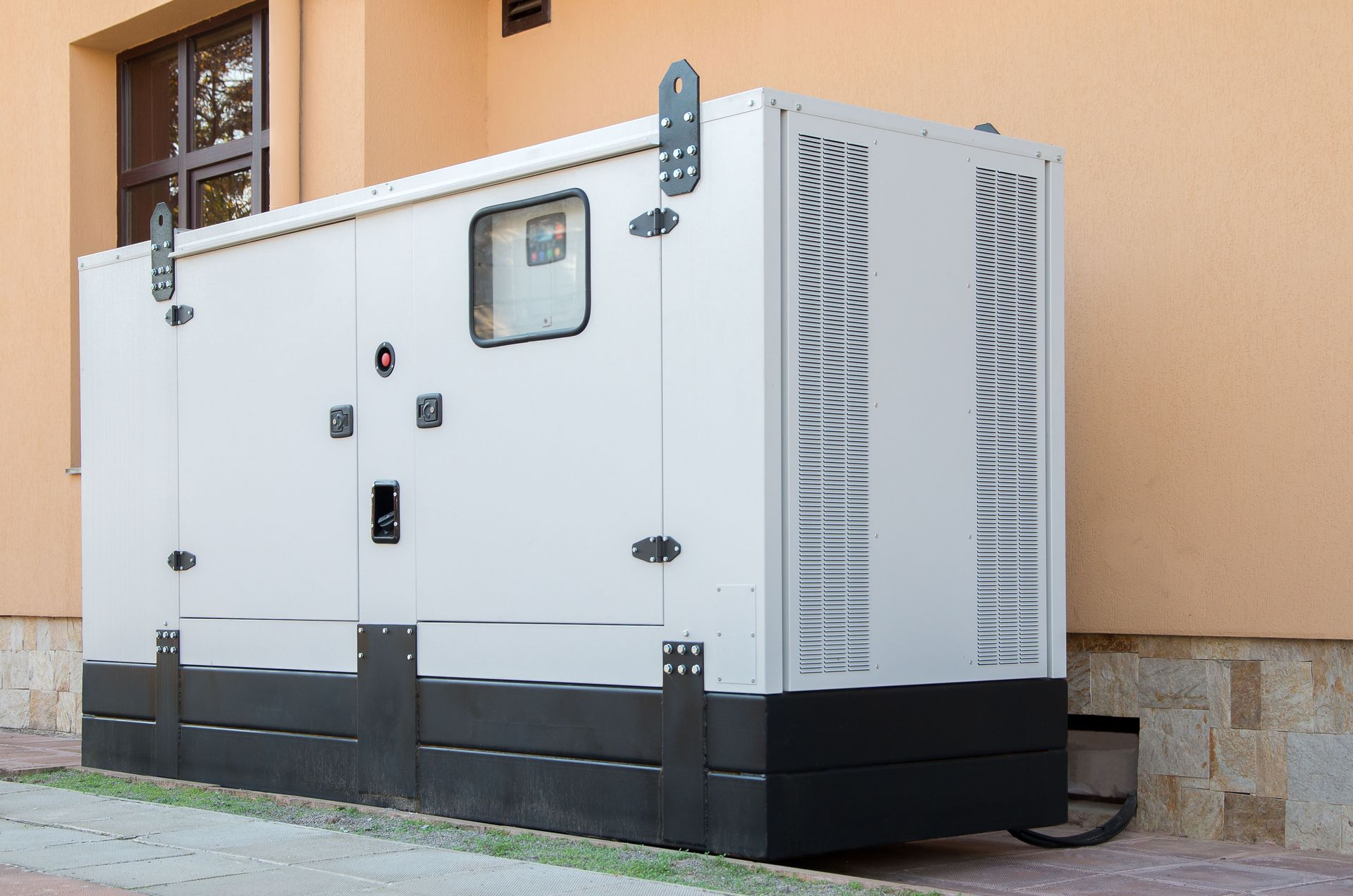
Backup Generator Installation in Rochester, MN
A standby generator spends almost all of its life not running. That's the problem. Fuel degrades, batteries lose charge, connections corrode, and rodents find their way into equipment that sits quiet for months — and none of it announces itself until the grid drops and the unit either starts or doesn't.
The generators that fail during outages are almost always the ones nobody has tested since installation. Scheduled service is what turns a piece of equipment in the side yard into actual backup power.
Signs Your Generator Needs Attention
- It didn't start on its last exercise cycle, or you're not sure it ran
- It starts but runs rough, surges, or shuts down under load
- A fault code, alarm, or warning light is showing on the controller
- It's been more than a year since it was serviced
- Fuel has been sitting in it through a full season without use
- Corrosion, rodent damage, or standing water around the unit or enclosure
- It ran during the last outage but struggled to carry the house.
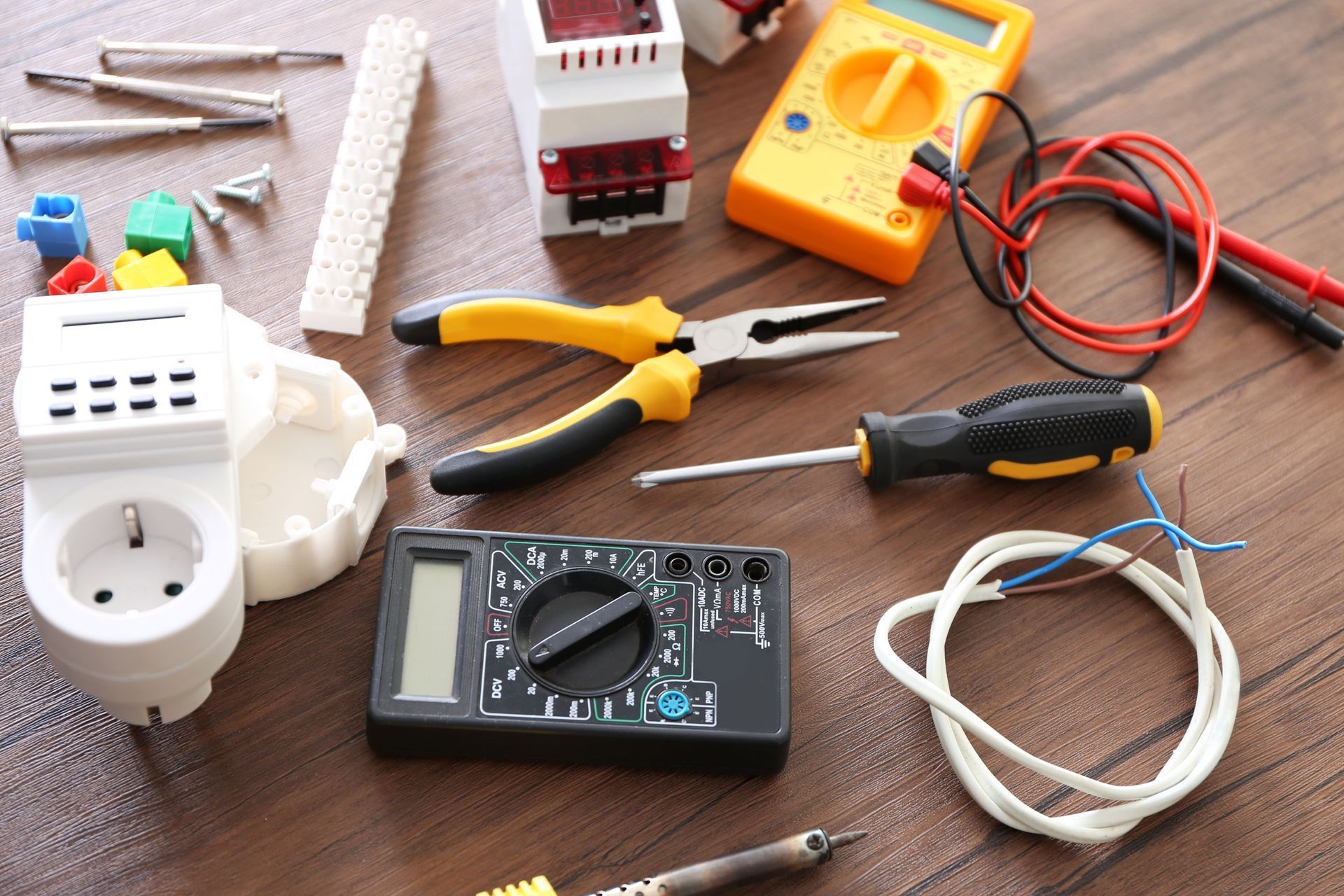
What Generator Service Covers
Inspection & Tune-Up
A full look at the unit's condition — enclosure, mounts, exhaust, cooling, and wear items — plus the adjustments that keep it starting cleanly.
Oil, Filter & Fuel System Service
Oil and filter changes on schedule, plus fuel system checks. Stale fuel and clogged filters are among the most common reasons a unit cranks but won't run.
Battery Testing & Replacement
The single most common cause of a no-start. Batteries degrade on a predictable timeline and fail fastest in cold, which in Minnesota means they tend to give out exactly when you need them.
Load Bank Testing
Running the generator under actual load rather than just letting it idle through an exercise cycle. A unit can start fine and still fall over when asked to carry the house.
Electrical Connections & Controls
Transfer switch operation, control settings, and connection checks. A generator that runs perfectly but won't transfer isn't doing anything for you.
What You Get With Every Repair
- Same-day services & repairs available
- Estimates within 1–3 business days
- Class A Electrical Contractor, License EA 006322
- Certified, licensed & fully insured electricians
- Quality products on every repair
- Locally & family-owned in Rochester since 1998
- Satisfaction guaranteed
Minnesota Weather & Standby Power
Southeast Minnesota asks a lot of backup power, and it asks in two different ways.
Summer storms take service lines across Olmsted County, often with enough warning to think about the generator and not enough time to do anything about it. Winter is harder on the equipment itself: batteries lose capacity in the cold, oil thickens, and a unit that started fine in September may not turn over in January. Cold-weather starting is where untested generators most often fail.
Both argue for the same thing — service ahead of the season rather than during it. A generator checked in early fall is ready for both.
Frequently Asked Questions
How often should a backup generator be serviced?
At least annually, or every 200 hours of run time, whichever comes first. Units that run frequently, sit in harsh conditions, or carry a critical load benefit from more often. Scheduling ahead of storm season is better than discovering a problem during one.
Can I maintain the generator myself?
Some of it, yes — keeping the area clear, watching for leaks or corrosion, and confirming the exercise cycle actually runs are all worth doing. What needs an electrician is anything involving the transfer switch, the electrical connections, or testing under real load, since that work sits between the generator and your home's electrical system.
What's the difference between an exercise cycle and load bank testing?
An exercise cycle runs the engine so it doesn't sit idle. Load bank testing makes the generator actually produce power under load, which is the only way to know it can carry what it's meant to carry. Plenty of units pass the first and fail the second.
Will skipping maintenance void my warranty?
Many manufacturers require documented service to keep warranty coverage in force, so gaps in the record can matter as much as the condition of the unit. Check your specific manufacturer's terms — we can service on a schedule that keeps the documentation clean.
My generator hasn't been touched in years. Is it worth servicing?
Usually yes, and it's worth finding out now rather than during an outage. We'll assess its condition and tell you honestly whether it needs service, repair, or has reached the point where replacement is the better use of your money.
Request a Free Estimate
Tell us the make, model, and roughly when it was last serviced, and we'll tell you what it needs. Call, text, or fill out the form to request a free estimate. We're open Monday through Friday, 7:30 a.m. to 5:00 p.m., with after-hours appointments available.